Content repurposing turns one idea into multiple formats to reach more audiences, save time, and strengthen your brand. Focus on high-performing content, adapt it to each platform, use templates and automation, and track performance to optimize results.
Table of Contents
1. Introduction
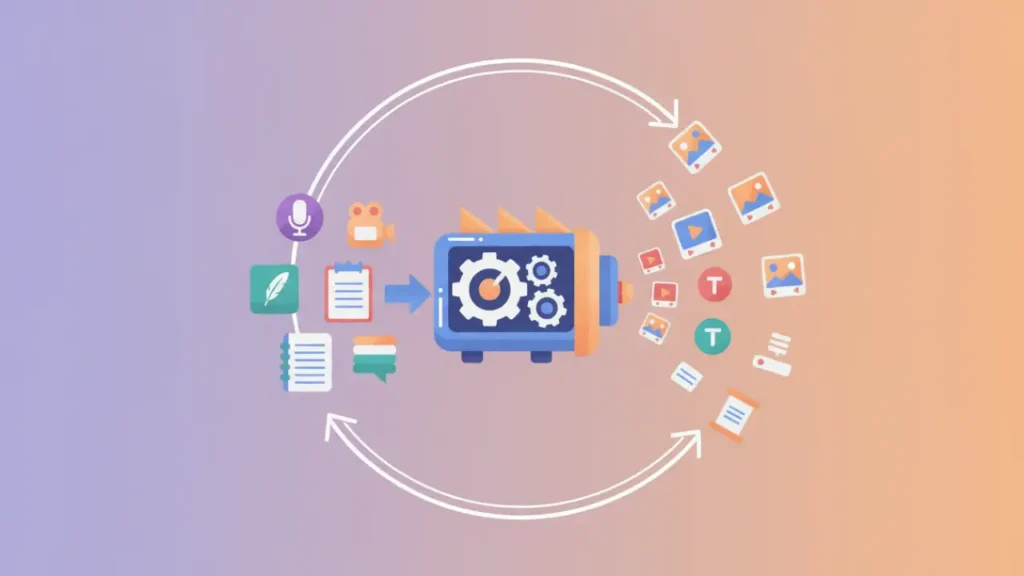
In today’s fast-paced digital world, content is being created faster than ever. Most of it never reaches its full potential. A single blog post, video, or podcast often gets one round of attention before being replaced by the next piece of content. Content repurposing is the practice of turning one idea into multiple pieces of content across different platforms.
Instead of constantly trying to come up with new ideas, repurposing allows you to get more value from the work you have already done. It helps you stay consistent, reach new audiences, and reinforce your message without exhausting your resources. In this post, we will explore how to turn one piece of content into a system that works across platforms like Instagram, YouTube, LinkedIn, and more.
2. What is content repurposing
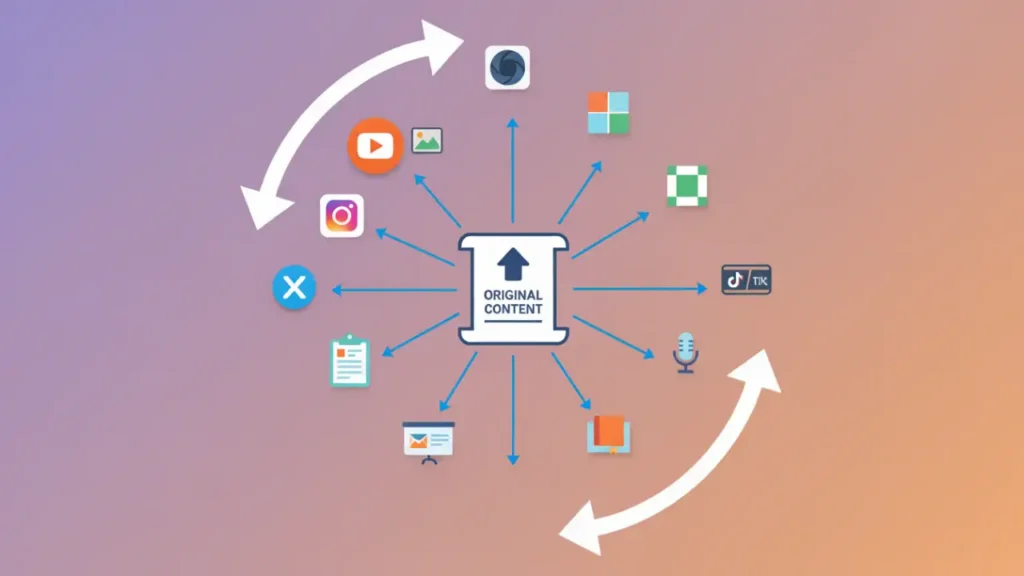
Content repurposing means taking an existing piece of content and adapting it for different formats or platforms. For example, a long blog post can become a LinkedIn article, several short Instagram posts, and a video script.
It is not about copying the same content everywhere. It is about reshaping your message so that it fits naturally on each platform. According to research by HubSpot, businesses that share content across multiple channels see up to seventy-two percent higher engagement than those that focus on just one. This shows that repurposing is both efficient and effective for growth and visibility.
3. Why repurposing matters
3.1 Saving time and resources
Creating high-quality content from scratch requires research, writing, design, editing, and promotion. Repurposing allows you to use existing work in new ways, reducing the time and effort needed to produce fresh content.
3.2 Expanding reach across platforms
Different audiences prefer different platforms. A blog post may reach readers on your website, a short video clip may attract viewers on social media, and a podcast episode may reach listeners on audio platforms. Repurposing lets you reach multiple audiences with the same idea.
3.3 Strengthening your brand message
Reinforcing your message across multiple platforms helps your audience remember it. By repeating key ideas in different formats, you build familiarity and trust, making your brand more recognizable and authoritative.
3.4 Boosting search performance
Repurposed content can improve your visibility in search engines. For example, turning a blog post into multiple videos or social posts increases the chances of being found through searches on Google or social platforms, giving your content a longer life.

4. How to choose the right content to repurpose
Not all content is suitable for repurposing. To maximize the impact of your efforts, focus on content that has already proven valuable to your audience.
4.1 Identify high-performing content
Start by analyzing your existing content to identify pieces that have garnered significant engagement or traffic. Tools like Google Analytics or BigQuerry if your company uses it can help you pinpoint top-performing blog posts or videos. Look for content with high page views, low bounce rates, and strong conversion metrics.
4.2 Evergreen vs. timely content
Consider the nature of your content. Evergreen content are topics that remain relevant over time and are ideal for repurposing. For instance, a comprehensive guide on SEO best practices can be updated and repurposed periodically. In contrast, timely content, such as event recaps, may have a shorter shelf life and might not be as effective when repurposed long after the event.
4.3 Audience preferences and platform formats
Understand where your audience consumes content and in what formats. If your audience engages more with video content on platforms like YouTube or TikTok, consider repurposing your content into short, engaging videos. Tailoring your repurposed content to fit the preferences of each platform ensures better engagement and reach.
5. Formats and platforms: what to repurpose into
Once you’ve identified suitable content, the next step is to determine how to repurpose it effectively across various formats and platforms.
5.1 Blogs → social media posts
Transform key insights or quotes from your blog posts into engaging social media posts. This not only drives traffic back to your original content but also keeps your social media channels active with valuable information.
5.2 Webinars or long videos → short clips or reels
Break down lengthy webinars or videos into short, digestible clips. These can be shared on platforms like Instagram Reels, TikTok, or YouTube Shorts, catering to audiences who prefer quick, informative content.
5.3 Podcasts → articles, quotes, transcripts
Repurpose podcast episodes by transcribing them into articles or blog posts. Highlight compelling quotes as standalone posts or graphics for social media. This approach extends the reach of your audio content to audiences who prefer reading.
5.4 Infographics, slides, images
Visual content like infographics or slides can be repurposed into various formats. For example, an infographic can be broken down into a series of social media posts, each focusing on a specific point, or used as a visual aid in presentations.
5.5 Interactive formats: polls, quizzes, stories
Engage your audience with interactive content such as polls, quizzes, or stories. These formats encourage participation and can be used to gather feedback or insights from your audience, further informing your content strategy.
6. Building a repurposing workflow
Having a clear workflow ensures that repurposing content becomes efficient and consistent rather than a random effort. Here is a step-by-step approach you can follow:
6.1 Plan your content cycle
Start by mapping out all the content you currently have. Create a spreadsheet listing your blog posts, videos, podcasts, webinars, and social media posts. Include metrics like views, shares, engagement rates, and publication date. This will help you identify what is worth repurposing. Tools like Airtable or if your budget isn’t that high Seatable is great alternative.
6.2 Use templates and automation
Create templates for different content types, such as Instagram carousel posts, short video scripts, or email newsletters. This saves time when adapting content. Automation tools like Buffer or Hootsuite allow you to schedule and distribute repurposed content across multiple platforms without doing everything manually.
6.3 Track results and optimize
Set measurable goals for your repurposed content, such as increasing social media engagement, driving traffic to your website, or boosting email sign-ups. Use platform analytics or tools like Google Analytics to monitor performance. Refine your approach based on what formats, topics, or platforms generate the best results.
7. Common challenges and how to overcome them
Repurposing content is powerful, but it comes with some common pitfalls. Being aware of these can save time and resources.
7.1 Audience fatigue
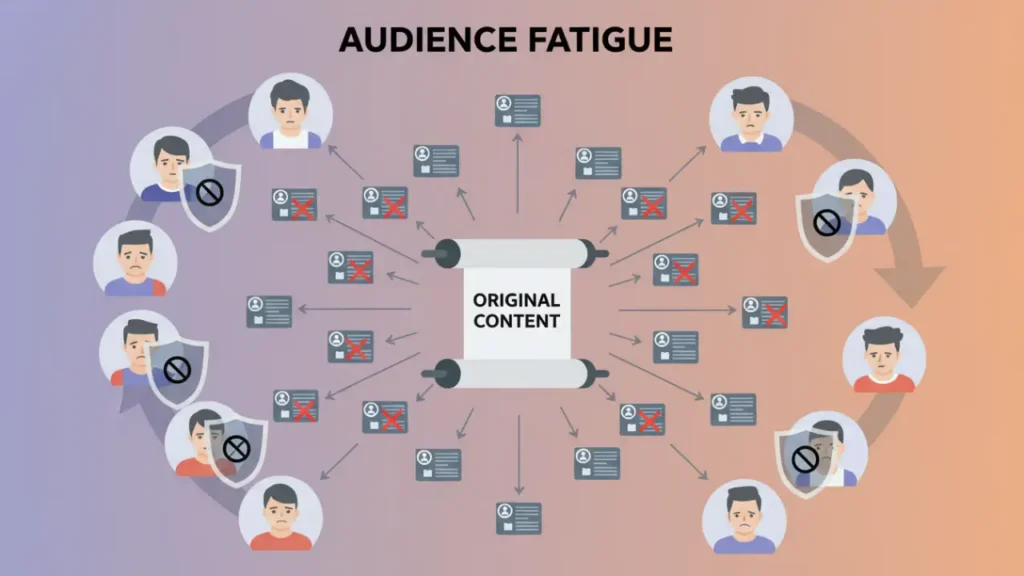
Posting the same content repeatedly can annoy your audience. To prevent fatigue, change the format or angle of the content rather than simply reposting it. For example, turn a blog post into an infographic or a short video with new commentary.
7.2 Maintaining quality and brand voice
Repurposing can sometimes dilute your brand voice if not done carefully. Always review the repurposed content to ensure it aligns with your tone, style, and values. Using brand style guides helps maintain consistency across platforms.
7.3 Resource constraints
Even with repurposing, creating content takes effort. Prioritize high-performing content for repurposing and use tools like Canva for graphics editing or if you want more options, use Photoshop or the free browser alternative Photopea
7.4 Keeping content up to date
Repurposed content can become outdated, especially statistics or best practices. Schedule regular reviews of repurposed content to ensure it remains accurate and relevant.
8. Real examples of smart repurposing strategies
Learning from successful brands and creators can provide actionable inspiration.
- HubSpot often turns one blog post into multiple social media posts, videos, email campaigns, and downloadable guides. This multiplies its reach without creating new core content each time.
- Gary Vaynerchuk and Alex Hormozi are known for producing long-form video content and extracting hundreds of short clips for Instagram, TikTok, YouTube Shorts, and LinkedIn.
- Smaller creators can also succeed with repurposing. A single how-to video on YouTube can be broken down into step-by-step Instagram posts, TikTok clips, and Twitter threads, creating multiple touchpoints for the audience.
9. Tips and tricks to maximize output
These practical tips help you get the most value from your content:
9.1 Change the angle slightly
Adjust the perspective or format to make the content feel fresh. For example, a blog post on social media strategy can become a video about common mistakes to avoid.
9.2 Reuse visuals and graphics
Keep a library of templates, graphics, and charts. This saves time and ensures consistency across platforms. Tools like Canva and Figma are excellent for creating reusable assets.
9.3 Tailor content per platform
Each platform has its norms. For example, Instagram favors short, visually appealing posts, while LinkedIn is better for professional, long-form content. Adjust captions, visuals, and format accordingly.
10. Conclusion
Content repurposing is one of the most efficient and effective strategies for growing your online presence without constantly creating new material. By turning a single idea into multiple formats and distributing it across different platforms, you can reach new audiences, reinforce your brand message, and save significant time and resources.
The key to successful repurposing is planning and strategy. Start by identifying high-performing content, understand your audience’s preferences, and choose formats that match each platform. Use templates, automation, and analytics tools to streamline the process and measure results. Always keep your content relevant, maintain your brand voice, and experiment with different angles to keep your audience engaged.
Whether you are a small creator or a large brand, smart repurposing allows your content to work harder for you. It extends the lifespan of your best ideas, multiplies your reach, and reinforces your authority in your niche. Implementing the strategies outlined in this guide will help you create a sustainable content system that delivers consistent value to your audience.