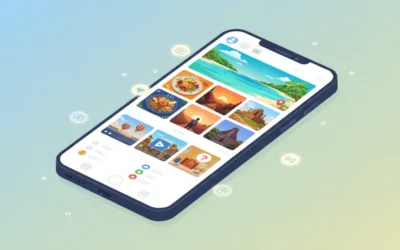
Repeating consistent visual cues like logos, colors, typography, and layouts helps build brand memory, increases recognition, and strengthens trust. Balanced repetition across platforms creates familiarity, while consistency avoids confusion. Measure impact using surveys, engagement metrics, and A/B testing.
Table of Contents
1. Introduction
In today’s crowded digital world, people are exposed to thousands of brand messages every day. To stand out, a brand must not only grab attention but also be remembered. One of the strongest tools for building memory is familiarity. Repeating the same visual cues such as colors, logos, typography, and layout helps consumers recognize and trust a brand over time.
This blog explores the psychology of familiarity and how repeating visual elements helps brands stay top of mind.
2. What is the psychology of familiarity
In psychology, familiarity refers to the sense of knowing or recognizing something without recalling exactly when or where you first encountered it. It is an automatic process that helps the brain quickly decide whether something is safe, trustworthy, or worth paying attention to.
Research shows that familiarity and recollection are two different processes: familiarity gives you the feeling of knowing, while recollection lets you retrieve specific details of past experiences ↗.
In marketing, familiarity acts as a mental shortcut. When people recognize a brand or design, they spend less effort understanding it, which makes them more likely to respond positively. This is linked to the mere exposure effect, a psychological principle showing that people tend to like things more simply because they have been exposed to them repeatedly (↗).

3. Why familiarity matters in branding
3.1 The science behind repetition and recognition
Repeated exposure helps strengthen the brain’s neural pathways associated with a brand’s visuals. Studies using brain imaging (ERPs) show that familiar brands activate different brain patterns compared to unfamiliar ones, meaning they are processed faster and require less effort (↗).
Another study found that when brands appeared in video games, familiar ones were recognized and remembered much more easily than new ones, proving that repetition improves recall (↗).
3.2 How the brain processes familiar visuals
When the brain repeatedly sees the same image or color, it becomes easier to process. This is called processing fluency. The easier something is to process, the more positive feelings it creates. This is one reason why consumers often prefer brands they have seen before, even if they do not consciously remember them.
The picture superiority effect also explains why visuals are more memorable than words. Images are stored in both verbal and visual memory systems, making them easier to recall later (↗). For brands, this means that strong visual cues, such as a logo shape or color palette, can act as “memory anchors” that trigger brand recall.
3.3 What this means for brand memory
When visual cues are familiar, they reduce the mental effort needed to process a brand and increase trust. Consumers feel more confident choosing something they recognize. Research also shows that brand familiarity improves purchasing confidence and overall brand preference (↗).
In short, repetition builds familiarity, and familiarity builds memory. Over time, consistent visual repetition turns recognition into trust and trust into loyalty.
4. The role of visual cues in building brand memory
Visual cues are the elements of a brand that people can see and recognize instantly. Consistent use of these cues helps the brain encode the brand in memory. Here are the main types of visual cues and how they work:
4.1 Colors and shapes
Colors influence perception and recall. For example, Coca-Cola’s red and Tiffany & Co.’s turquoise are instantly recognizable and trigger brand associations. Studies show that color increases brand recognition by up to 80 percent (↗).
Shapes are also powerful. Rounded logos, like Spotify’s circle, feel approachable, while sharp edges, like Adobe’s logo, convey precision. Using consistent shapes in logos or icons strengthens memory because the brain quickly associates them with the brand.
Practical example: If your logo uses a unique geometric shape combined with a specific color, ensure these appear on social media posts, packaging, and website headers consistently. This repetition helps the audience recognize your brand without reading the name.
4.2 Logos and icons
A logo is the most direct brand visual. Familiarity with logos increases trust and preference. For instance, Apple’s apple logo or Nike’s swoosh are recognized even without accompanying text. Icons can extend this recognition across different contexts, such as apps or websites.
Practical example: Use your logo in all emails, social media posts, and video intros. For apps, create simple, consistent icons that reflect your primary logo. This ensures the brand is always visible and reinforces memory.
4.3 Typography and layout patterns
Typography and layout also create recognition cues. Fonts, spacing, and alignment can be unique to your brand. For example, The New York Times uses a distinctive serif font for its nameplate, while Airbnb uses a modern sans-serif across all platforms.
Practical example: Use the same typeface, heading styles, and grid layout on your website, social media graphics, and presentations. Consistency allows users to recognize your brand quickly, even before seeing the logo.

5. How repetition creates trust and emotional connection
Repetition is not just about being seen. It affects feelings, trust, and decision-making.
5.1 The “mere exposure effect” explained
The mere exposure effect is a psychological principle stating that people develop a preference for things they see repeatedly. Multiple studies confirm that repeated exposure to a visual cue increases liking, even if the viewer is not consciously aware of it (↗).
Practical example: If your brand runs the same ad creative across Instagram, YouTube, and email campaigns over a few weeks, consumers will start to recognize and prefer your brand without active persuasion.
5.2 Real-world examples from successful brands
- McDonald’s golden arches: Repeated exposure on signage, packaging, and TV ads makes the logo instantly recognizable worldwide.
- Coca-Cola red branding: The same shade of red across bottles, advertisements, and social media strengthens recall.
- Airbnb’s consistent visual system: The logo, color palette, and typography are repeated across app, website, and social media, building a sense of reliability and familiarity.
Practical example: Create a style guide for your brand’s visuals, and apply it consistently across all platforms. This includes logo placement, brand colors, fonts, and layout rules. Even small elements, like button shapes or icons, should remain consistent to reinforce memory.
6. How to use familiarity in your brand strategy
Building brand memory with repeated visual cues requires a structured approach. Here are steps to apply familiarity effectively:
6.1 Create a consistent visual system
Define your brand colors, typography, logo usage, iconography, and layout patterns. A documented brand style guide ensures everyone in your team uses the same visual cues consistently across channels.
Practical example: If your primary color is teal, make sure it appears on your website headers, social media posts, email newsletters, and packaging. This repeated use helps consumers recognize your brand quickly.
6.2 Balance repetition and creativity
While repetition strengthens memory, creativity keeps your audience engaged. You can rotate messages or visuals while keeping core elements consistent. For example, change background images or add seasonal graphics, but retain logo placement, font, and color.
Practical example: A seasonal Instagram campaign can use themed imagery, but maintain your brand font and logo placement on every post. Consumers will enjoy new visuals while still recognizing your brand.
6.3 Ensure cross-platform consistency
Use the same visual cues across websites, social media, print, and in-store materials. Consumers experience your brand in multiple contexts, and consistent visuals increase recall and trust.
Practical example: If you use a circular icon for a loyalty program on your website, use the same icon style in your mobile app and physical store signage.

7. Common mistakes to avoid
Even with consistent visual cues, brands can fail to build familiarity if certain errors occur. Awareness of these pitfalls helps ensure your repetition strategy is effective.
7.1 Over-repetition causing fatigue
Repetition strengthens memory, but excessive repetition without variation can lead to boredom or disengagement. The brain may start ignoring the repeated visuals if there is no novelty.
Practical example: Posting the same static Instagram image daily may annoy followers. Instead, keep core elements like your logo and colors but change the background, text, or layout for variety.
7.2 Inconsistency across channels
Using different colors, fonts, logos, or layouts on different platforms weakens brand memory. Inconsistencies make it harder for consumers to recognize the brand quickly.
Practical example: If your website uses a teal primary color but your social media posts use blue, the audience may not connect the two, reducing recognition. Always follow your brand style guide for all channels.
7.3 Ignoring cultural or contextual meanings
Visual cues can have different associations in different markets or contexts. A color, icon, or symbol that works in one culture may have unintended meanings elsewhere.
Practical example: Red signals danger in Western markets but represents luck in China. Adjust your color emphasis for each market while keeping core visual elements consistent.
7.4 Neglecting secondary brand elements
Focusing only on the logo and main colors while ignoring typography, iconography, and layout reduces the effectiveness of visual repetition. All elements work together to reinforce recognition.
Practical example: If you update your website design but your social media templates do not match the new font or icon style, consumers may fail to link the two visually.
8. Real examples of smart visual repetition
Learning from successful brands can show how repeated visual cues work in practice:
- Nike: Uses the swoosh logo, bold typography, and consistent placement across ads, packaging, and social media. Even without reading text, consumers recognize the brand immediately.
- Starbucks: The green mermaid logo is repeated in stores, packaging, cups, and app interfaces. Consumers associate the color, shape, and logo together, reinforcing memory.
- McDonald’s: The golden arches appear on signage, packaging, advertising, and even employee uniforms. The repeated visual cue across contexts makes it one of the most recognized logos globally.
Practical example: Map out your visual elements and ensure each one is used consistently in every brand touchpoint. Even small details, like button shapes on your website or icon style in your app, contribute to visual familiarity and recall.

9. Measuring the impact of visual familiarity
To ensure that repeated visual cues are building brand memory effectively, it is important to measure impact. There are several ways to do this:
9.1 Brand recall surveys
Ask your audience to recall your brand after exposure to certain visuals. Surveys can be structured to measure spontaneous recall (without prompts) or aided recall (with prompts). Higher recall rates indicate that repeated cues are working.
Practical example: Show consumers a color palette, logo, or product packaging and ask them to identify the brand. If a large percentage can correctly name your brand, visual familiarity is strong.
9.2 Engagement and recognition metrics
Track interactions with visual content on social media, websites, or advertisements. Metrics such as click-through rates, likes, shares, and comments indicate whether visuals are recognized and resonate with your audience.
Practical example: Compare engagement for posts that use consistent brand visuals versus posts that do not. Increased engagement for consistent posts indicates the power of repeated visual cues.
9.3 A/B testing visual variations
Test different designs with varying degrees of repetition. For example, you can test a version of an ad with your logo and brand colors versus a version without them. Measuring performance differences provides insights into the effectiveness of visual repetition.
Practical example: Run two versions of an email campaign, one with full branding elements and one with minimal branding. Track open rates and click-through rates to evaluate which version strengthens brand recall.
10. Conclusion and key takeaways
The psychology of familiarity demonstrates that repetition of visual cues is a powerful tool for building brand memory. Consistently applied logos, colors, typography, and layouts help the brain recognize and remember your brand, reducing cognitive effort for consumers and increasing trust.
Key takeaways:
- Use consistent visual cues: Keep logos, colors, fonts, and layouts uniform across all platforms.
- Balance repetition with variation: Introduce slight changes in visuals to maintain interest without losing familiarity.
- Measure effectiveness: Use surveys, engagement metrics, and A/B tests to ensure your visuals are being recognized and remembered.
- Avoid common mistakes: Prevent over-repetition, cross-channel inconsistency, neglecting secondary elements, and cultural misalignment.
- Leverage real-world examples: Study brands like Nike, Starbucks, and McDonald’s to understand how repeated visual cues strengthen recognition and trust.
By implementing these strategies, brands can create a visual system that reinforces memory, builds trust, and strengthens emotional connections with consumers. Consistency combined with careful planning ensures that your audience not only recognizes your brand but prefers it over competitors.